 Schedule Asbestos Service

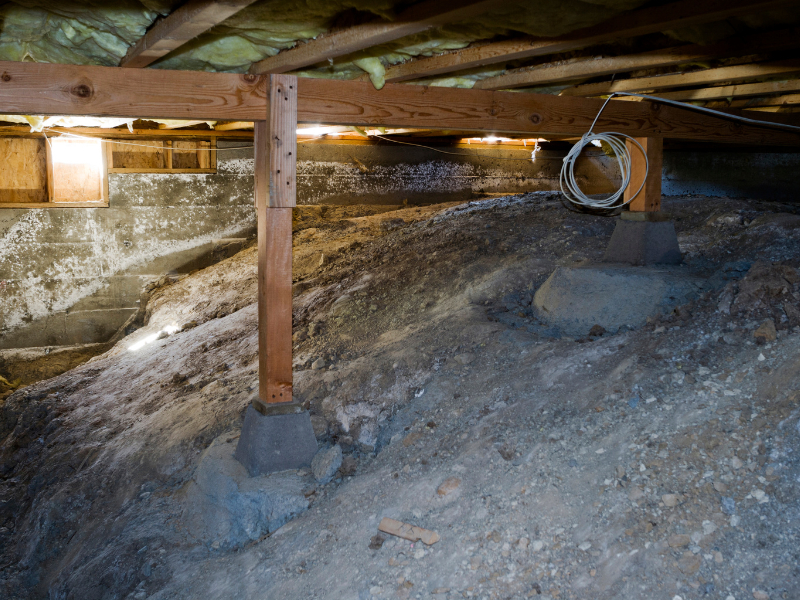
Could There Be Asbestos in Your Crawl Space?
When most people think about asbestos, they picture old ceiling tiles, insulation in attics, or outdated flooring materials. What many homeowners don’t realize is that asbestos can also be present in crawl spaces, often hidden in areas that are rarely inspected.
Whether you’re a homeowner, contractor, home inspector, or pest control professional, understanding the potential presence of asbestos in a crawl space is important for protecting both your property and your health.
Why Crawl Spaces Are Often Overlooked
Crawl spaces are typically out of sight and out of mind. Unfortunately, that also means hazardous materials can go unnoticed for years.
Many homes built before the 1980s contain materials that may include asbestos. Over time, these materials can deteriorate, become damaged, or leave debris behind in the crawl space. Because asbestos fibers are microscopic, contamination is not always obvious to the naked eye.
Common Places Asbestos May Be Found in a Crawl Space
Potential asbestos-containing materials found beneath homes include:
- Pipe insulation and pipe wrap
- Heating duct insulation
- Old construction debris
- Vermiculite insulation
- Flooring adhesives around plumbing penetrations
- Insulation remnants from previous renovations
One common misconception is that asbestos pipe wrap is entirely made of asbestos. In reality, asbestos fibers are often embedded within the material. As the insulation ages and deteriorates, microscopic fibers can be released into the surrounding environment.
The Hidden Risk of Disturbing Asbestos
Many professionals enter crawl spaces as part of their daily work, including:
- Pest control technicians
- Plumbers
- HVAC contractors
- Electricians
- Foundation repair specialists
- Home inspectors
If asbestos-containing materials have been damaged, fibers may settle into dust or debris on the ground. Anyone crawling through the space can unknowingly disturb and spread those fibers.
This is why asbestos concerns aren’t just about protecting homeowners. They also affect the tradespeople who work beneath homes every day.
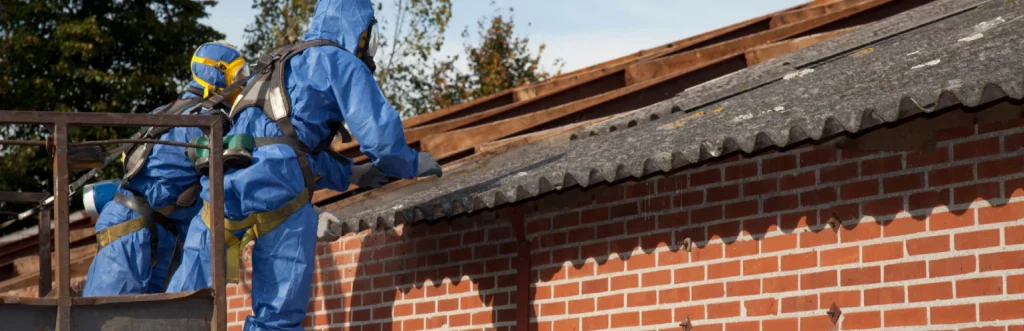
Signs Your Crawl Space May Need Testing
You should consider asbestos testing if:
- Your home was built before the 1980s
- You notice old pipe insulation or deteriorating materials
- You’re planning renovations or repairs
- Contractors will be working in the crawl space
- Previous owners completed undocumented remodeling projects
- Construction debris is present beneath the home
Because asbestos cannot be identified through visual inspection alone, professional testing is the only reliable way to determine whether a material contains asbestos.
Why Professional Testing Matters
Many materials that appear harmless can contain asbestos fibers. Testing helps homeowners make informed decisions before renovations, repairs, or property transactions occur.
Identifying asbestos early can help prevent accidental exposure, reduce liability concerns, and ensure that any necessary abatement is handled safely and in accordance with regulations.
Protect Your Home and Everyone Who Works Beneath It
A crawl space may not be a part of your home you think about often, but it can contain hidden hazards that deserve attention.
If your home is older or you’re planning work beneath the house, professional asbestos testing can provide peace of mind and help protect homeowners, contractors, and anyone else who enters the space.